This article was contributed by Dappradar
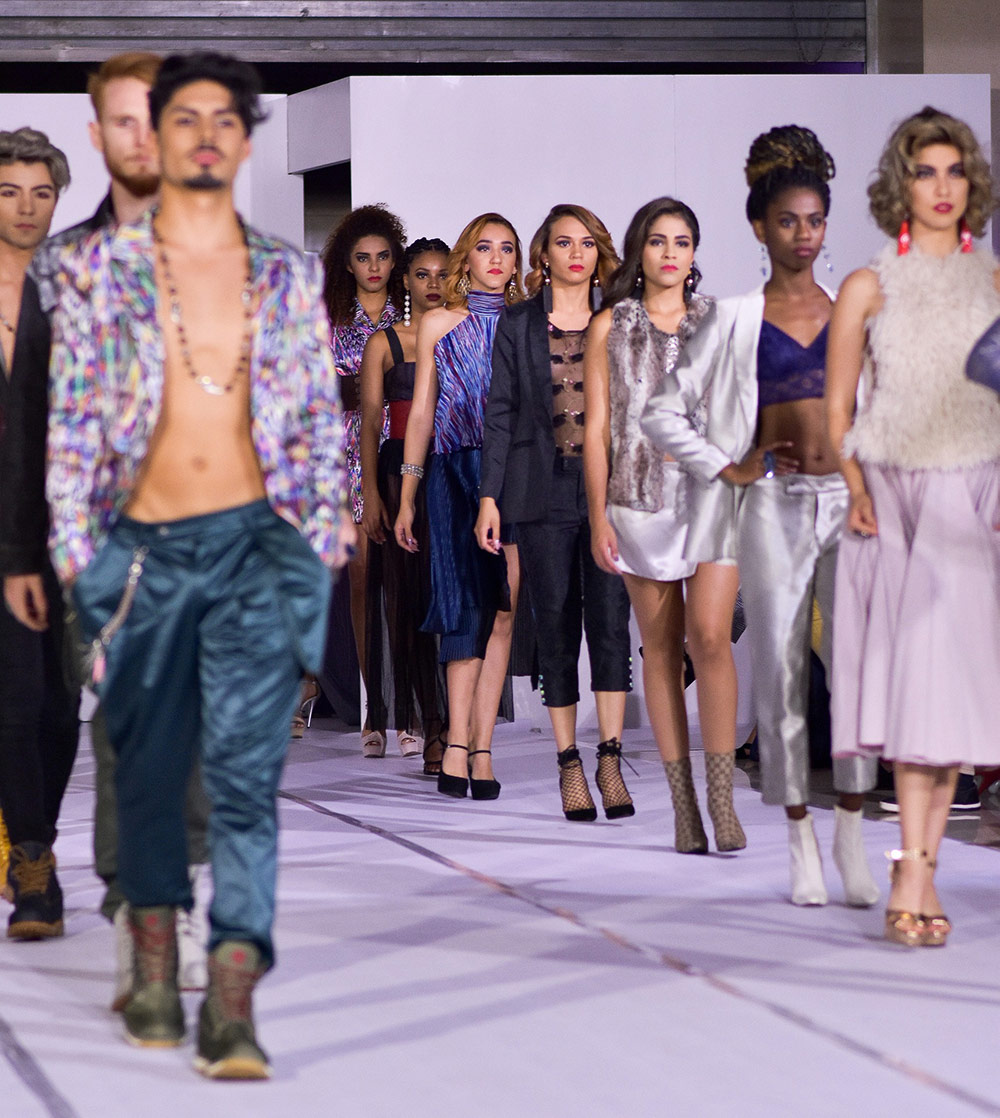
What happens when a small-town runway, glowing with handmade banners and rainbow streamers, meets a smartphone in every pocket? In Healdsburg, the answer has been unfolding in real time at the city’s Pride Month fashion show, where audiences no longer just clap politely from folding chairs. They tap, they vote, they cheer through their screens and they help shape the evening as it happens. The local celebration of color and self-expression has quietly added a new wrinkle this year: live audience voting that lets neighbors crown their favorite looks the same way they might argue over a close softball game or the best act at a downtown jazz night.
That shift has roots in a broader trend reshaping online entertainment, where audiences increasingly expect to participate rather than spectate. Some of the most active examples live in the Web3 world, and curious readers can find a live leaderboard of the best online crypto casino sites that ranks crypto casinos, Web3 sportsbooks and on-chain prediction markets using real data. Rather than handing out editorial favorites, that kind of directory scores each option on on-chain transaction volume, active wallets, the range of supported digital tokens and overall transparency. For anyone wondering how voting, predicting and playing along became standard features of digital entertainment, those data-driven rankings show exactly where the appetite for interactive, participation-first formats has grown strongest.
A Local Runway Meets a New Kind of Audience
Healdsburg’s Pride fashion show has always been about more than clothing. Local designers, students and longtime residents walk the runway in looks that celebrate identity, craft and community spirit. The event sits comfortably alongside the town’s other summer staples, from jazz nights downtown to the farm-and-market gatherings that fill the plaza on warm weekends.
What changed was how the crowd takes part. Organizers began adding live audience voting, letting attendees rank favorite looks on their phones as each model crossed the stage. A scrolling tally appeared on a screen near the runway, and suddenly the show had the energy of a friendly competition. People leaned over to compare picks the way they might debate a close softball game or argue about the best entry at a county fair.
When Voting Becomes the Main Event
The appeal of audience voting is simple: it turns watching into doing. Instead of waiting for a panel of judges to announce winners, the crowd becomes the panel. Every tap matters, and the outcome feels earned rather than handed down.
This format borrows directly from the digital entertainment world, where prediction and participation have become the headline feature. Online services have spent years refining the art of letting users guess outcomes, place playful votes and watch results update instantly. On-chain prediction markets take that idea even further, recording each choice transparently so anyone can see how the crowd is leaning. The Healdsburg show captures the same spark on a community scale: a roomful of neighbors collectively deciding which design deserves the spotlight, with results visible to all in real time.
Fashion, Technology and the Digital Runway
Part of what makes the Pride show feel fresh is how comfortably it blends fabric and code. A few designers have experimented with digital versions of their pieces, showing how a garment might exist both on a physical body and as a virtual asset. That conversation connects to a much larger movement explored in writing about designing for the digital runway, where fashion increasingly lives in virtual spaces as much as on physical stages.
For a town known for its wine country lifestyle and hands-on artistry, the idea of a garment existing in two worlds at once is surprisingly natural. A scarf woven by a local maker can be photographed, displayed and even reimagined as a digital token that fans collect or trade. The runway becomes a launchpad, not just a stage, and the audience gets to follow a design from the first stitch to its life online.
The Rise of Play-Along Entertainment
The deeper story here is the rise of play-along entertainment, where the line between performer and spectator keeps blurring. Music acts now invite fans to vote on set lists. Film screenings add live polls. Sporting events layer in real-time predictions. The Pride fashion show fits neatly into this pattern, proving that even a grassroots community event can adopt tools once reserved for major productions.
Much of this momentum comes from the wider shift in how creative industries in the web3 era are rethinking the relationship between artists and audiences. Creators are building experiences that reward attention and involvement, treating the crowd as collaborators. For Healdsburg, that means a fashion show that doesn’t just entertain residents but actively includes them in the outcome, one tap at a time.
Keeping Community Events Welcoming Online
Of course, opening any event to live digital participation raises practical questions about keeping the experience friendly. Anonymous voting and open chat features can invite mischief if no one is watching, which is why thoughtful planning matters. The challenges mirror those studied in research on content moderation in web3 platforms, where maintaining a respectful, inclusive space is a constant priority.
For Pride organizers, that emphasis on safety and inclusion is the whole point. The technology only succeeds if it strengthens the welcoming spirit the event was built on. Clear guidelines, gentle oversight and a focus on celebration over conflict help keep the digital layer in service of the community.
A Glimpse of What Comes Next
Healdsburg’s Pride fashion show offers a small but vivid preview of where live entertainment is heading. The folding chairs and handmade banners remain, but now the audience holds a stake in the show itself. Voting, predicting and playing along have moved from novelty to expectation, and a local celebration of identity has become a quietly modern one. The runway still shines under the lights, only now the whole crowd helps decide who steals the spotlight.
The editorial staff of The Healdsburg Tribune was not involved in the creation of this content. The content is for general information and does not constitute the financial, medical or professional advice of this publication. Readers should consult qualified professionals regarding their individual circumstances. The Healdsburg Tribune disclaims any liability for loss or damage resulting from reliance on this content.