Candice Koseba is a rare Healdsburg figure who earned her local reputation in something other than wine, dining or olive oil. Her specialty is bees, and honey of course, and from her Dry Creek Valley homestead she oversees a thriving collection of local bee hives. Not just the traditional stacked or slotted flat boxes one sees, known as Langstroth hives, but hives made to recreate a natural hive site. Sometimes a natural hive even appears, as in the cleft of an old tree on the property.
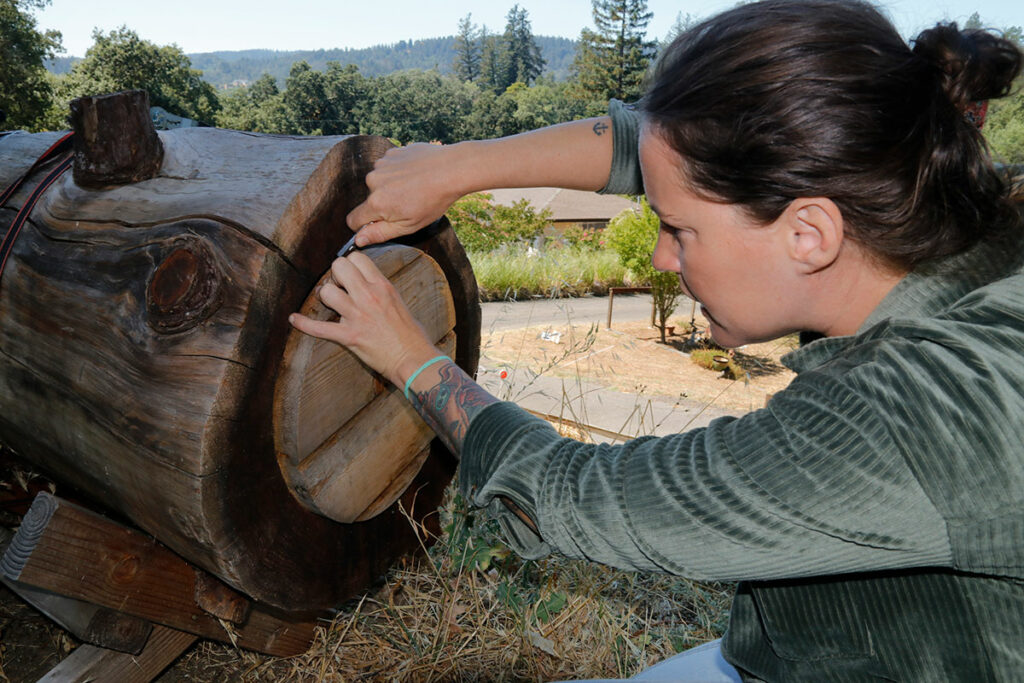
This is the headquarters of Sonoma County Bee Company, which develops organic honey products as small-batch honey, candles and pots made of beeswax, lotions and salves and even health tonics (most of them made in the garage). “Value-added hive products,” as Koseba calls these items in her marketing.
At the end of the dirt driveway lies the nexus of a global connection, much like the widespread range of bees. Next weekend, on Sept. 12, the nonprofit group she helped found will hold its second annual “BEE in Kenya Dinner,” complete with art auction, live music, honey tastings and whole roasted goat from chef Michael Degen, former sous chef at Healdsburg’s Scopa Restaurant.
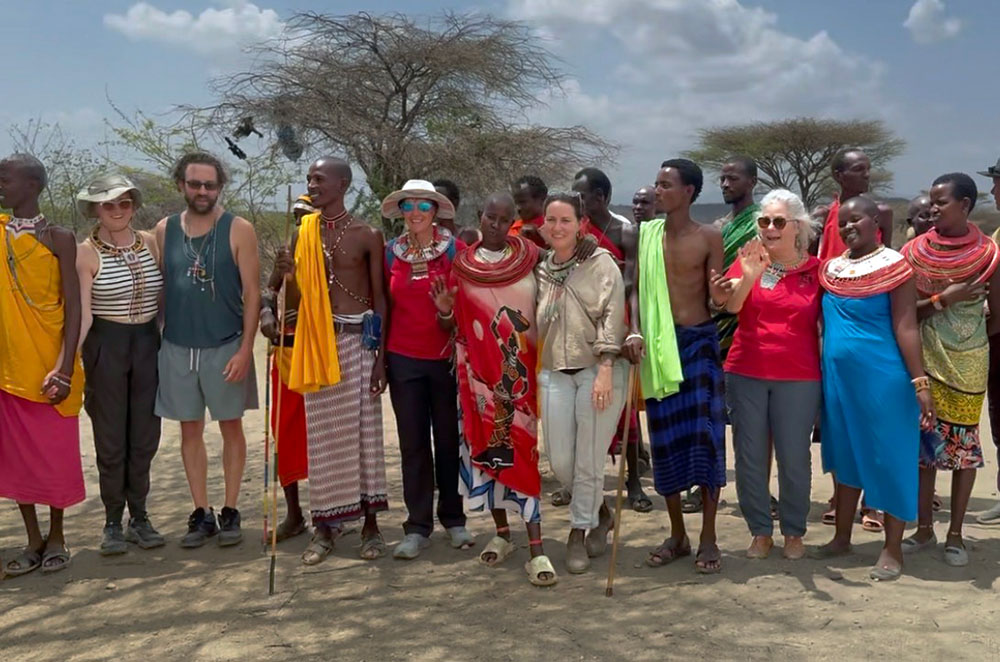
It’s all in keeping with the Kenya connection and an ongoing project to encourage bee economies in the Maasai Mara region. By its full name it’s Beekeepers and Educators Engaged in Kenya, and it provides yearly tours to Kenya for interested and professional beekeepers seeking to expand their horizons. All the funds raised go to “helping provide beekeeping equipment, training, educational resources, and opportunities that strengthen both communities and the landscapes they depend on,” according to BEE in Kenya.
This year’s art auction will include original works donated by Jake Messing, Jessica Martin and Sebastian Pochan, as well as other local and international artists. The purpose of the benefit dinner and auction is to support rural Kenyan beekeepers.
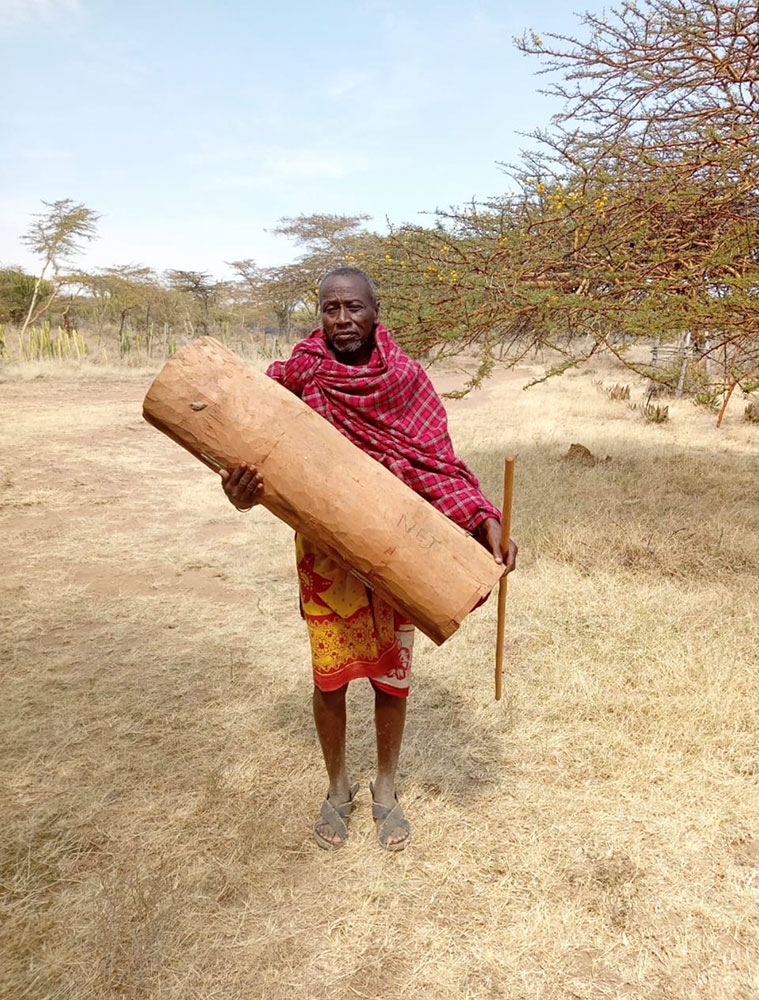
One might say the benefit celebrates community, conservation and global connection, terms which are themselves almost synonymous with bees. Simply, honey bees are social flying insects known for living in large colonies, making honey and pollinating plants, an essential component of a healthy ecosystem. Here in California, the domestic honey bee—the kind Koseba tends on her ranch—is one of 20,000 bee species of the Apidae family worldwide, of which only a dozen or so produce honey.
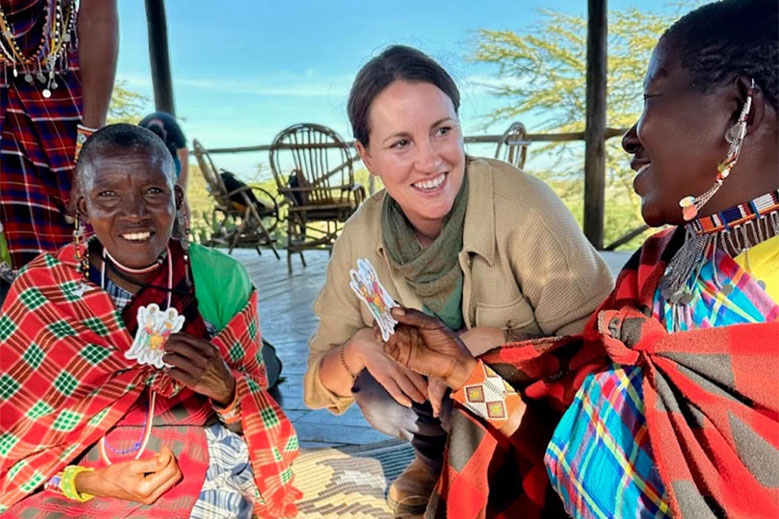
In the East African country of Kenya, the nonprofit has a standing program of offering agricultural support to the locals that traces back to Koseba’s mentor, Maryanne Frazier, former associate professor in entomology at Penn State. Since 2018 Frazier, her husband and colleagues in Kenya have led “eco-tour” itineraries in Kenya for “beekeepers who wanted to experience African bees and meet African beekeepers, firsthand,” Frazier has written. Their support helped complete water projects, a girls dormitory and playgrounds, with the bee economy always their consolidating force.
Koseba came to California in 2010 after growing up in Indiana. Shortly after her move, she discovered the complex world of bees while pushing her newborn son in a stroller. She wrote eloquently: “I found myself drawn to the intricate dance of life unfolding around me. Each step I took, every glance downward, revealed a microcosm of existence that I had previously overlooked.”
Now 39, she has a daughter at Westside Elementary and a son at Windsor High. It’s hard to imagine how she finds time to be so immersed not only with bees but with mushroom foraging and plant medicine. She counts among her clients SingleThread Farm, where she worked as a forager, and Montage, where she leads guided honey-tasting events.
In 2025, Koseba became part of the group that registered BEE in Kenya as a 501 3 (c) nonprofit in the United States, and her efforts to cultivate a local bee community picked up. The benefit dinners are also a way for locals to join in the environmental trips to Kenya or otherwise support the enterprise.
“There’s a lot of people that follow my company (sonomacountybeecompany.com) who have become curious,” Koseba said. “It’s definitely a moment to recruit people and let them know that they don’t have to be a beekeeper to go on this trip. We’ve had a lot of different people come, and it’s pretty incredible.”
This next apian adventure starts in February, the off-season for tourism in East Africa and a slow time of year for American beekeepers. And while the 2027 Beekeepers and Educators Tour does include some traditional safari time, “We’re doing things those safari trips will never take people to. They’ll never see these places that we go to,” Koseba said.
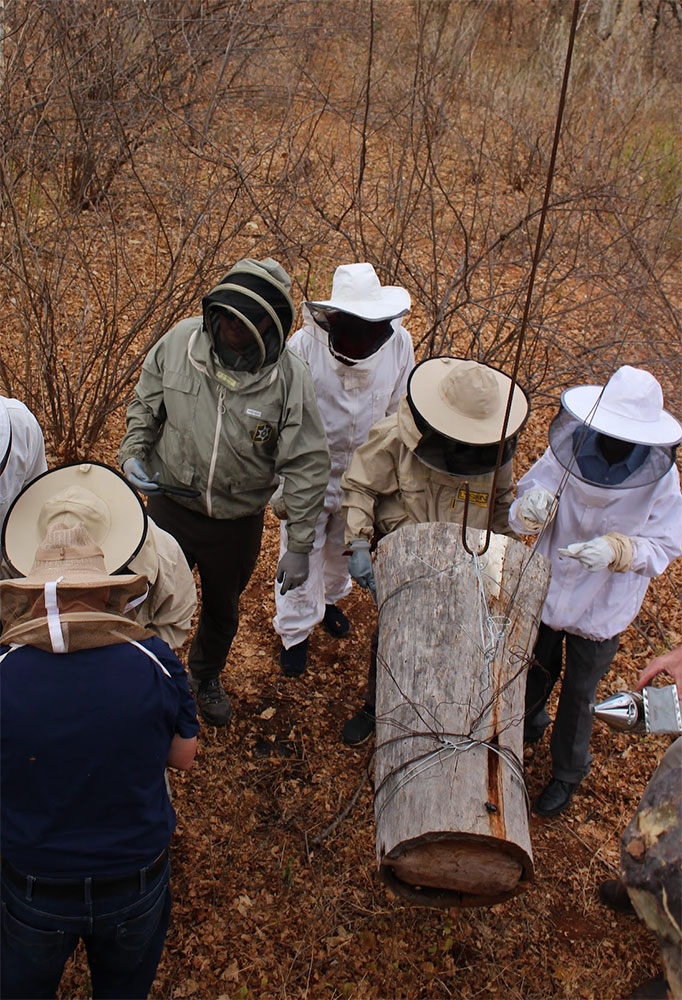
“There’s beekeepers that have been keeping bees the Kenyan top-bar way for generations,” she added. “It’s a style of beekeeping where you keep the colony in a horizontal log hive. And the bees in Kenya are a little bit different than they are here. They’re migratory, so they follow the water. So people will hang these hives in trees, and the bees will move across the landscape and populate these hives. Over the course of a year, they may be visiting and living in several hives.”
The groups of 10-15 people also visit local wildlife parks, the International Center for Insect Physiology and Ecology, and a rural school, and engage in other hands-on interfacing with the Maasai Mara, the largest native group in the region, during their two-week journey. Another BEE in Kenya initiative is a biodigester to convert animal waste—those goats again—into methane.
“It’s just incredible, the community that comes out of it,” Koseba said. “I think the dinner is a great way to sit next to someone that’s been there and ask them any questions you want. And get a taste of some of the food.”
Which brings us back to that goat. Chef Degen said, “The goat will be marinated for 72 hours in a mixture of fresh garlic, ginger, salt, pepper, rosemary, cumin, honey, and cider. Then it will be removed from the marinade and roasted for approximately three hours at a low temperature in a Mugnaini wood fired oven.”
Sounds easy. Where do we get a goat?
Information about BEE in Kenya and its efforts can be found at beeinkenya.org.