This article was contributed by Icobench
Walk into almost any shop along Healdsburg’s downtown plaza these days and you’ll notice something: the cash register is increasingly an afterthought. Contactless terminals sit front and center, and the line moves fastest for people who tap their phone and walk away. It’s a shift that’s been building for years, but locals say it feels more complete now than ever before.
The change isn’t just about convenience. It reflects something deeper about how people here—and across the country—think about money, speed and trust in digital systems.
Tap-to-pay takes over local businesses
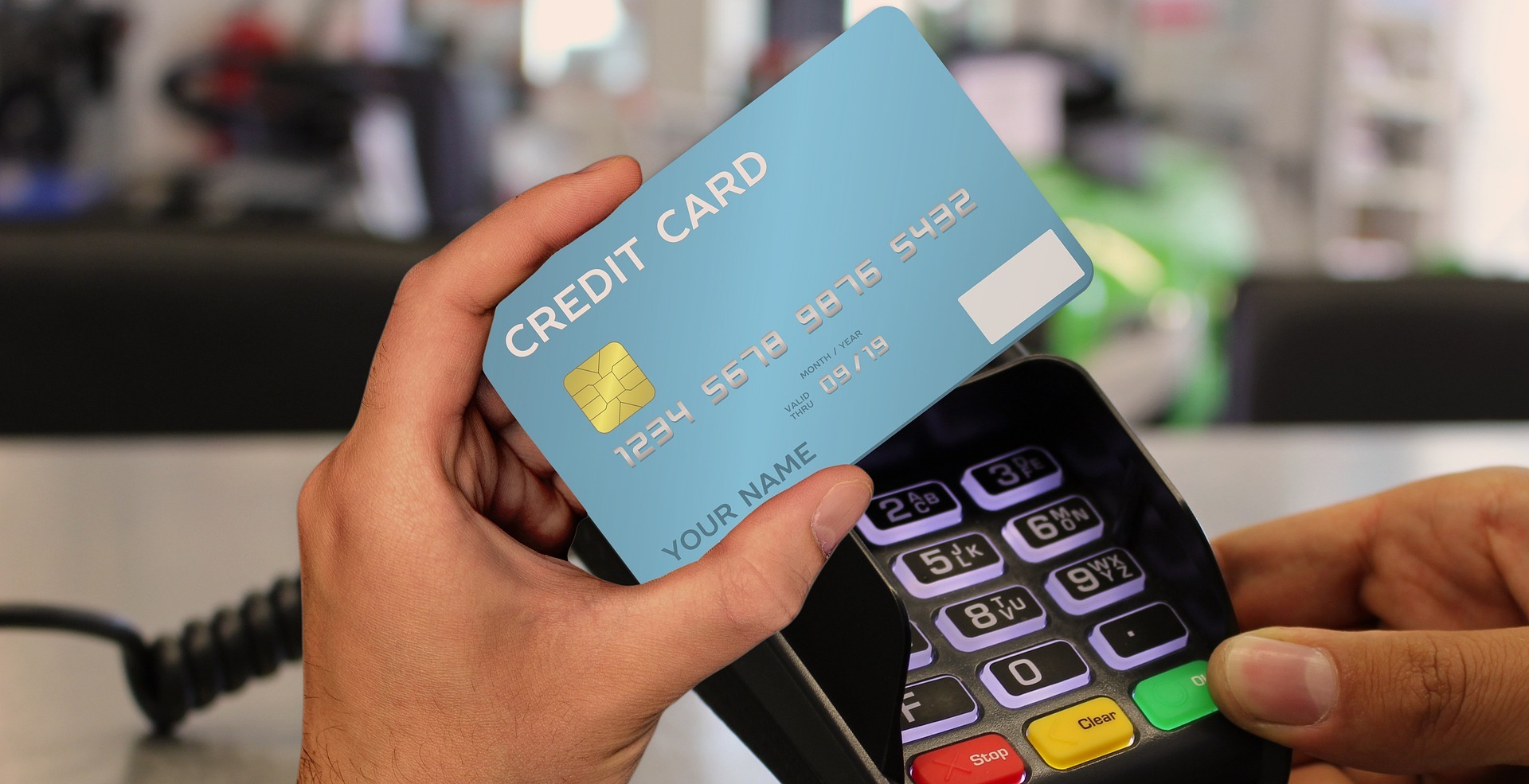
Healdsburg’s wine tasting rooms, boutique retailers and weekend farmers market vendors have quietly standardized around card and mobile payment options. Merchants who once kept a cash-only policy have largely abandoned it, drawn by faster checkouts and simplified accounting. The tap-to-pay habit has become second nature for most regular shoppers in town.
That said, cash hasn’t vanished entirely. It still turns up at certain food stalls and informal pop-ups, where card readers can feel like friction rather than a solution. Some longtime residents appreciate that flexibility, particularly for small purchases where they’d rather not leave a digital footprint.
Digital wallets reshape weekend spending
Weekend spending in Healdsburg—whether it’s a winery visit, a dinner on the plaza or an afternoon browsing local art galleries—now flows almost entirely through digital channels. Apple Pay, Google Pay and tap-enabled credit cards handle the bulk of transactions without a second thought. The expectation of seamless, instant payment has spread well beyond retail.
That same expectation now shapes how people engage with entertainment platforms online. Players drawn to crypto casinos with instant withdrawals reflect exactly this mindset—the demand for frictionless financial experiences that mirror what modern consumers expect in every other part of their lives.
Instant transactions become the new standard
The numbers behind this shift are striking. According to recent cashless payment data, 86.9 percent of U.S. point-of-sale transactions were cashless in 2024, with projections pushing that figure to 94.1 percent by next year. Healdsburg’s commercial corridor fits squarely within that trend.
Restaurants have been among the fastest movers. Research from Restaurant Technology News shows that 92 percent of restaurants now accept credit cards and 78 percent accept mobile wallets like Apple Pay—numbers that would have seemed ambitious just a few years ago. For local diners accustomed to quick, contactless meals, this is simply the baseline now.
What Healdsburg shoppers actually want now
Not everyone is ready to wave goodbye to cash entirely, though. Despite the dominance of digital payments, a 2026 Fintech Global survey found that 92 percent of Americans still plan to keep using cash, citing privacy and resilience as key reasons. That sentiment resonates in a community like Healdsburg, where independent values and skepticism of over-reliance on technology run alongside a genuine embrace of modern convenience.
What residents seem to want isn’t an either/or answer—it’s optionality. They want merchants who accept their phone tap without a fuss, but they also want the assurance that a $20 bill will still work in a pinch. The businesses thriving here are the ones reading that balance correctly, offering seamless digital options without making cash customers feel like relics of another era.
The editorial staff of The Healdsburg Tribune was not involved in the creation of this content. The content is for general information and does not constitute the financial, medical or professional advice of this publication. Readers should consult qualified professionals regarding their individual circumstances. The Healdsburg Tribune disclaims any liability for loss or damage resulting from reliance on this content.