
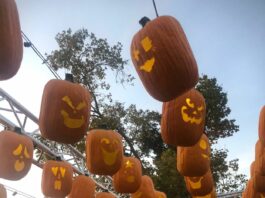
2011 Homecoming revelry, parades and game action
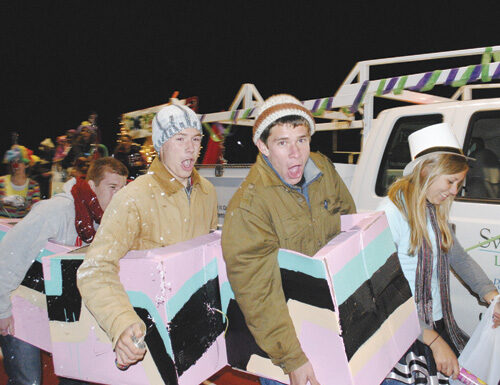
LIONS ON PARADE —El Molino celebrated its 2011 Homecoming on
City council to consider reducing water conservation measures
At its next meeting on Nov. 15, the Healdsburg City Council will consider reverting back to Stage 2 of the city’s water shortage emergency plan and will also consider adopting a revision to the rate schedule for the city’s garbage collection and recycling services.
GMO modification
The City Council decided Monday night to ask the voters in November to modify the Growth Management Ordinance, removing the cap of 30 permits per year and allowing allocations to be determined by a new Housing Plan. I hope Healdsburg voters see the light and approve this referendum. The current GMO is a solution in search of a problem; we have never had a runaway growth problem in Healdsburg.
Bucket Brigade Blood Drive Challenge returns for 15th year
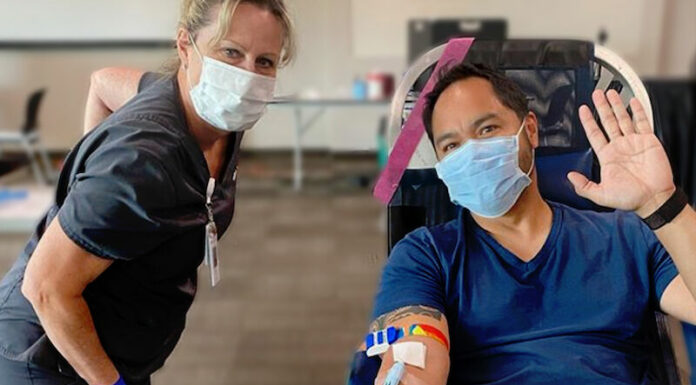
Friendly competition between fire departments in Mendocino, Lake and Sonoma counties helps replenish critical blood supplies
Proposition 20: Crackdown on crime
As part of its statewide election coverage, CalMatters has given Sonoma West Publishers permission to use its explainers of state propositions. Scroll through the module below to learn about Proposition 20.
Meeting will tackle MOUs for school during a pandemic
At the Sept. 1 meeting of the Windsor Unified School District Board of Trustees the most pressing matters for the evening will revolve around finalizing plans and Memorandums of Understanding (MOUs) for distance learning.
Transportation funding a boon to north county
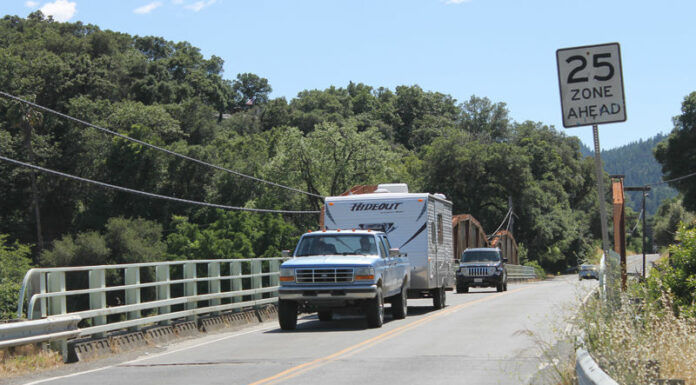
Big-ticket projects in Cloverdale, Windsor and Healdsburg
Law: Revealed, natural and positive
Some time ago a column entitled “Religion challenges left and right” by E. J. Dionne, Jr. appeared in the Press Democrat. “Whenever I write sympathetically about religion,” he noted, “I get bombarded with tweets and notes from readers who normally agree with me but cannot abide by the idea that religious belief should be seen as intellectually serious.” Having made that caveat he goes on to treat religion seriously in a summary of a study produced by the Public Religion Research Institute and the Brookings Institution. Dionne himself took part in the research for the study. The study divides citizens into four groups: 28 percent religious conservatives, 38 percent religious moderates, 19 percent religious progressives, and 15 percent nonreligious. These groups are correlated to political attitudes and party affiliations. Not surprisingly, most religious conservatives are politically conservative and gravitate to the Republican Party, and most religious progressives and nonreligious are politically liberal and gravitate to the Democratic party. Also not surprisingly, religious moderates are in between and just as they are religiously moderate they tend to be moderate Republicans or moderate Democrats in fairly equal numbers.
What time is it?
There are two looming events on our calendars that may further confirm the difference between compulsory law and bendable customs.